Sangha: Why Healing Happens in Community
Illness breeds in isolation, darkness, and shame. The Buddhist concept of community as medicine — and why we do not heal alone.
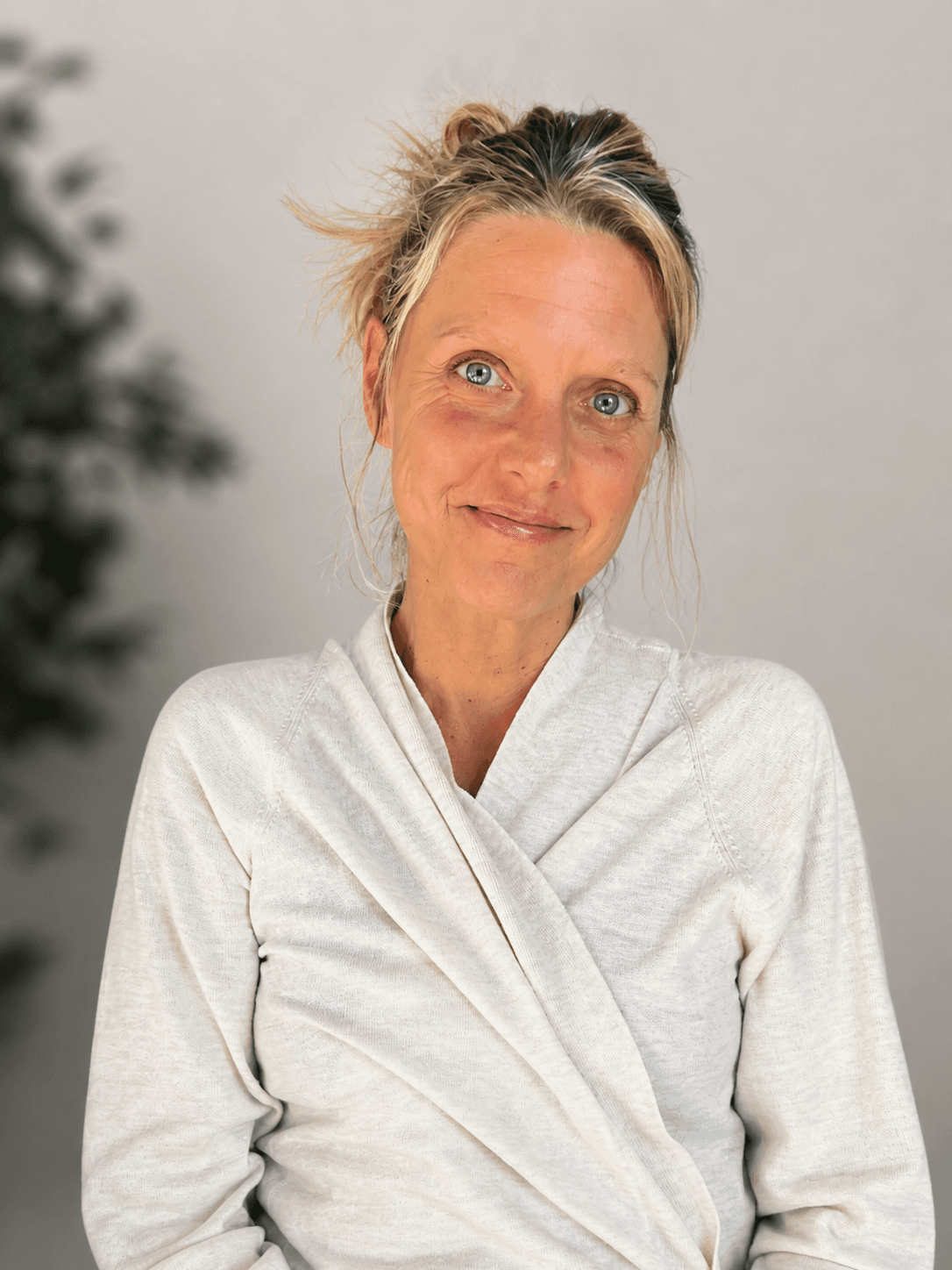
Tasha Darwent
Integrative Health Coach

The Buddha taught three jewels: the teacher, the teaching, and the community. People talk a lot about the first two. They almost never talk about the third.
And yet, of the three, the community is the one I have seen do the work that nothing else could.
Why isolation hurts
Shame cannot survive being witnessed with love. It can survive being witnessed with judgment — that only makes it stronger. But the very specific act of being seen, fully, in our worst moment, by someone who does not flinch and does not fix and does not look away — this is the antidote that nothing in our medicine cabinet can replicate.
You can sit on a meditation cushion for ten thousand hours and never touch what one honest conversation with one safe person can touch in twenty minutes.
What sangha actually looks like
It does not have to be Buddhist. It does not have to be religious at all. It can be a Wednesday-night recovery meeting. A women's circle in someone's living room. A weekly call with two friends who know your real story. A group of people who agree, by their presence alone, that you are not alone.
I have begun to think that the question is not am I doing my healing, but am I doing it in front of anyone. Privacy and isolation are not the same thing. Privacy is a closed door we choose. Isolation is a closed door we forgot we shut.